AI Agent Frameworks Compared: LangGraph, CrewAI, AutoGen
Architecture, trade-offs, and best use cases for the top AI agent frameworks in 2026: LangGraph, CrewAI, and AutoGen.
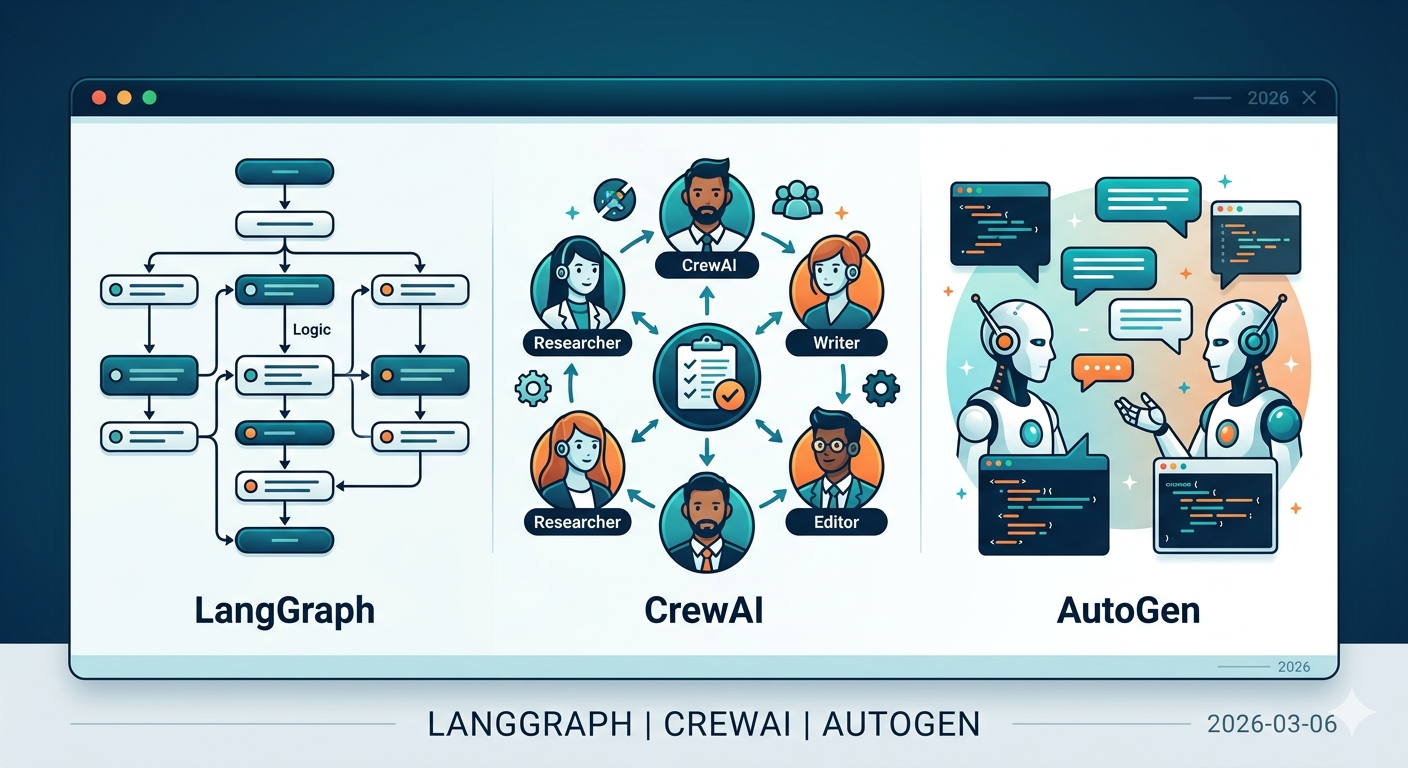
LLMs have moved past generating text. They use tools, make plans, and collaborate with other agents. Building something that actually works — an AI agent that performs real tasks — requires a framework. And the options keep multiplying.
Here's a comparison of the three most widely used: LangGraph, CrewAI, and AutoGen.
Quick Summary
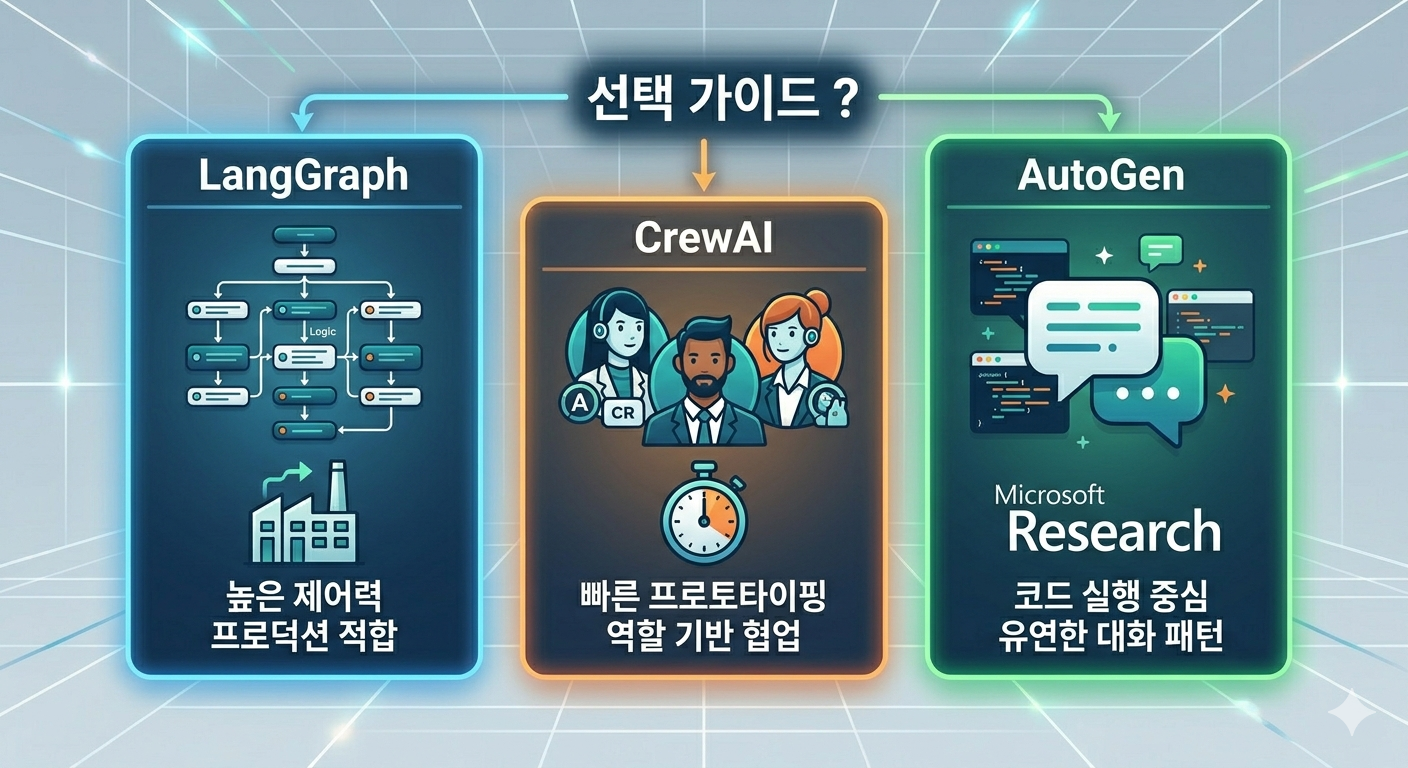
- LangGraph: Graph-based precision control for complex workflows. Production-grade. (v1.0 GA)
- CrewAI: Role-based multi-agent collaboration. Fast to prototype. (v1.10, MCP/A2A support)
- AutoGen → Microsoft Agent Framework: AutoGen has entered maintenance mode. Microsoft merged AutoGen and Semantic Kernel into the Microsoft Agent Framework, with RC released February 2026.
- OpenAI Agents SDK: Lightweight agent framework from OpenAI. Supports 100+ non-OpenAI models too.
LangGraph
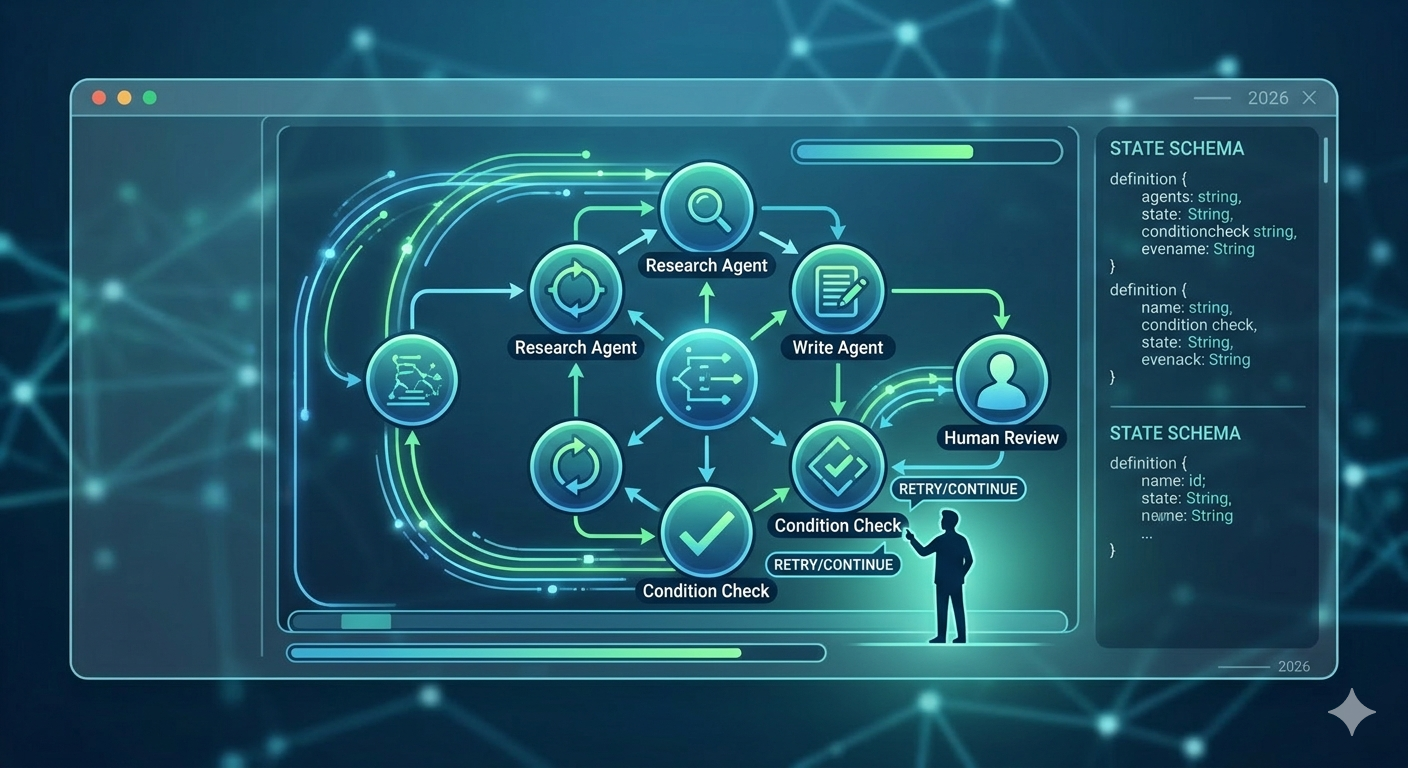
Built by the LangChain team. The core idea: represent agent behavior as a directed graph. Cycles are supported, so iterative agent loops feel natural.
Architecture
Nodes hold the logic for each step. Edges define transitions between steps. Conditional edges handle branching. State is explicitly defined and passed between nodes.
graph = StateGraph(AgentState)
graph.add_node("research", research_node)
graph.add_node("write", write_node)
graph.add_conditional_edges("research", should_continue)
Strengths
Control is unmatched. Since hitting 1.0 GA in October 2025 and reaching v1.0.10, companies like Uber, LinkedIn, and Klarna have been running it in production for over a year. You define exactly what the agent does at each step, when it pauses for human approval, and where it falls back on failure — all in code. For environments where "let the AI figure it out" doesn't fly, this is what you need.
Checkpointing and state management are built in. If an agent stops mid-task, its state gets saved and execution can resume later. Human-in-the-loop patterns slot in naturally.
LangSmith integration makes debugging straightforward. You can trace what went in and out of each node.
Drawbacks
The learning curve is steep. You need to understand graph concepts, design state schemas, and write edge conditions. For a simple agent, it can feel like overkill. Some familiarity with the LangChain ecosystem helps with getting started.
CrewAI
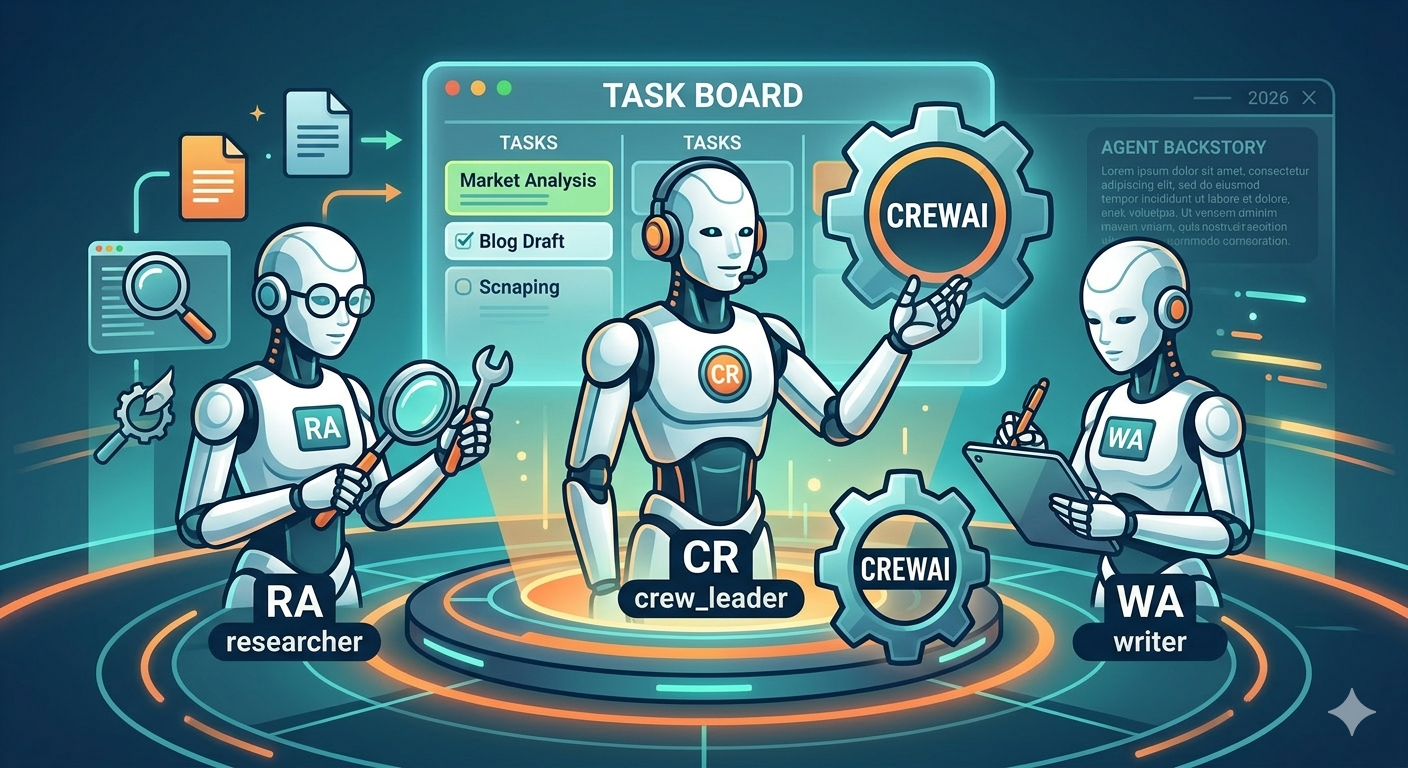
"Build an AI team" isn't a metaphor here — it's literally how the code is structured.
Architecture
Agents get a role, goal, and backstory. Tasks are defined and assigned to agents. A Crew groups agents and executes the workflow.
researcher = Agent(
    role="Senior Researcher",
    goal="Investigate latest AI trends",
    backstory="AI researcher with 10 years of experience",
    tools=[search_tool, web_scraper],
)
Strengths
Intuitive. You can read the code and immediately understand what it does. Agent roles are described in natural language, so even non-developers can follow the structure. Prototyping is fast.
Built-in tools are abundant. Web search, file read/write, code execution — common tools are available without custom implementation.
Sequential and parallel execution modes let you run agents in order or simultaneously, depending on the task.
Drawbacks
Fine-grained control on complex workflows remains a limitation. Conditional branching and loops are harder to express. Each agent carries its own system prompt, which inflates token usage.
AutoGen
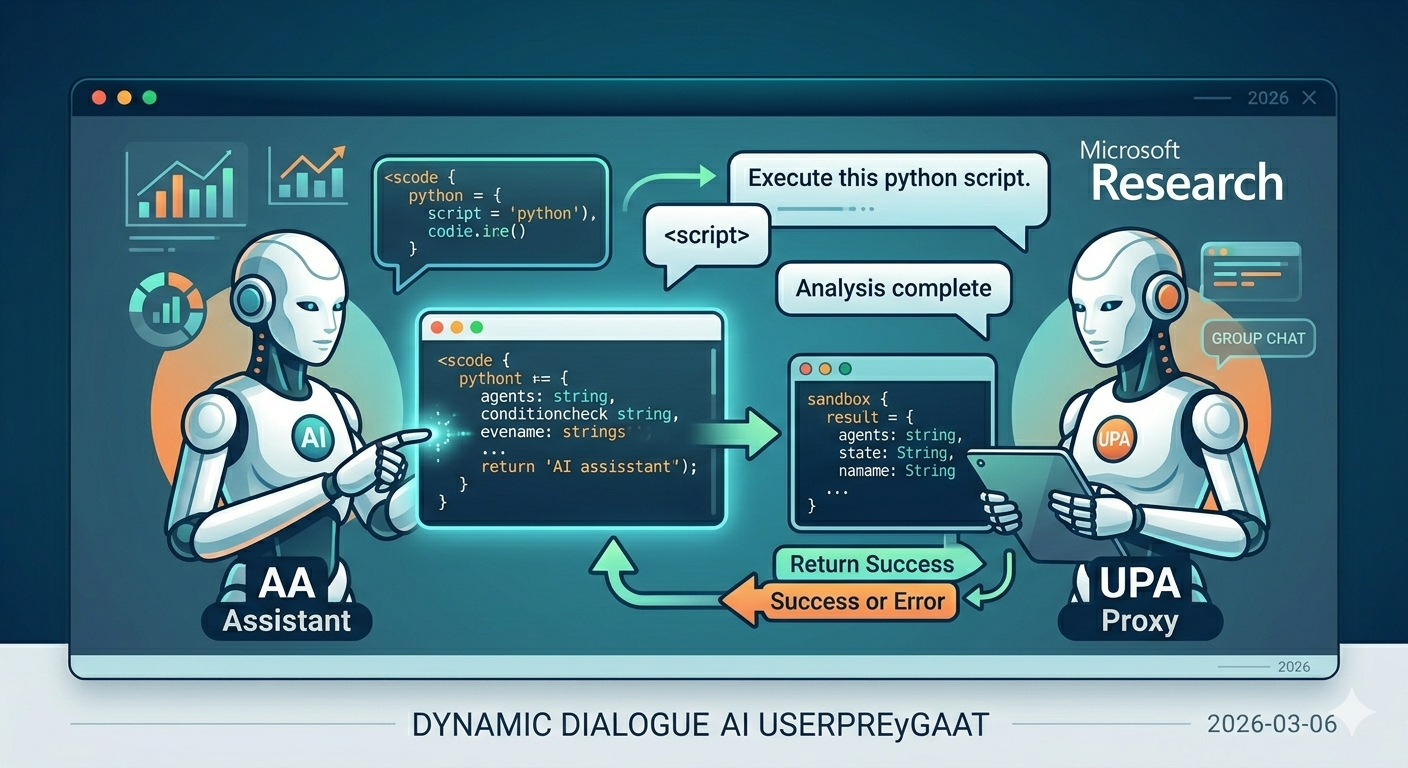
Started at Microsoft Research, designed around conversation between agents.
Architecture
Agents communicate by exchanging messages. An AssistantAgent writes code, a UserProxyAgent executes it and returns results. GroupChat patterns enable multiple agents to discuss and solve problems together.
Strengths
Code execution is a first-class citizen. The loop of writing code, executing it, checking results, and iterating is baked into the framework. Strong for data analysis and coding tasks.
Flexible conversation patterns — one-to-one, group, hierarchical. Various agent communication structures are possible.
The v0.4 move to an event-driven runtime improved scalability.
Current Status
AutoGen is now in maintenance mode. Microsoft created the Microsoft Agent Framework by merging AutoGen and Semantic Kernel. The RC dropped February 19, 2026. It supports graph-based workflows, A2A/MCP protocols, streaming, checkpointing, and human-in-the-loop — available in both Python and .NET. Teams already deep in the Azure ecosystem should plan to migrate once GA lands (expected late March 2026).
If you're running AutoGen code in production, it's time to start planning that migration.
The New Option — OpenAI Agents SDK
One more framework worth mentioning. OpenAI's Agents SDK (v0.10.2, formerly Swarm) builds agents from just four primitives: Agent, Handoff, Guardrail, and Tool. It's the lightest-weight option in this comparison. Despite the name, it supports 100+ LLMs through the Chat Completions API, not just OpenAI models.
Good for when you want a simple agent quickly but don't need CrewAI's role/crew structure.
Choosing a Framework
| LangGraph | CrewAI | MS Agent Framework | OpenAI Agents SDK | |
|---|---|---|---|---|
| Control Level | Very High | Medium | High | Low |
| Learning Curve | Steep | Gentle | Medium | Very Gentle |
| Prototyping Speed | Slow | Fast | Medium | Very Fast |
| Production Readiness | High | Medium | High (post-GA) | Medium |
| MCP Support | Supported | Native | Native | Not Supported |
| State Management | Built-in | Limited | Built-in | Basic |
Building production agents — LangGraph is the most battle-tested choice. Post-1.0 GA, it has the largest body of enterprise production case studies.
Fast multi-agent prototyping — CrewAI gets results with minimal code.
Azure ecosystem — Wait for Microsoft Agent Framework GA, then adopt it. The integration will be natural.
Quick lightweight agents — OpenAI Agents SDK has the lowest entry barrier.
One clear trend: MCP (Model Context Protocol) is becoming the standard for connecting agents to tools. Choosing a framework with MCP support lets you tap into a growing ecosystem of pre-built integrations. Gartner projects that by 2027, a third of agentic AI deployments will use multi-agent configurations.